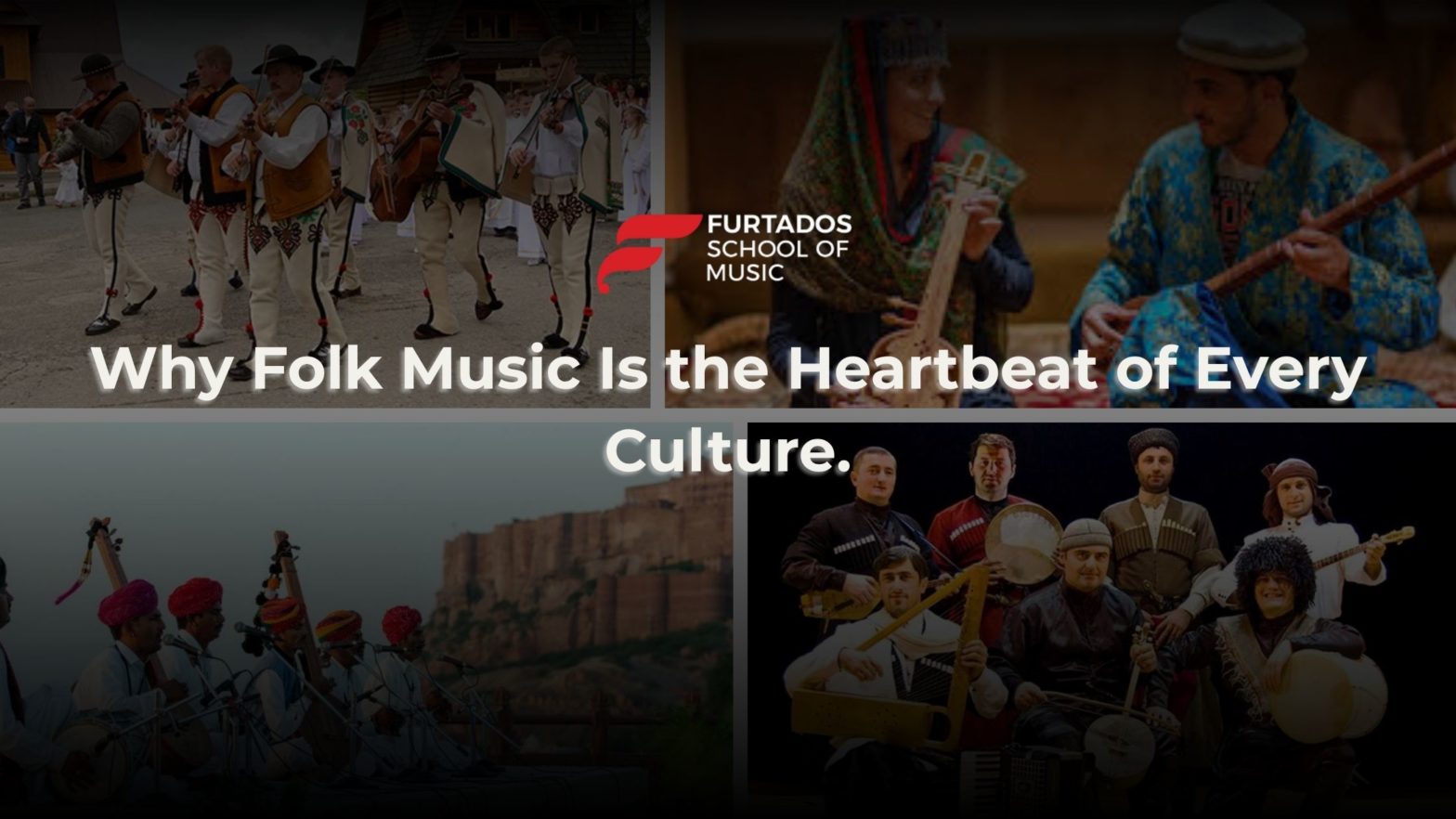
Music is a universal language, but some forms of it carry the unique soul of a community. Folk music is one such form — a vibrant blend of traditional music, stories, and customs that reflect the life, history, and values of the people who create it. Across continents and centuries, folk music has remained the heartbeat of every culture, preserving memories, traditions, and emotions in a way that transcends words.
The Essence of Folk Music
Unlike contemporary or commercial music, folk music grows naturally within a community. It’s passed down from generation to generation, often orally, keeping alive the cultural heritage music of villages, towns, and cities. Every melody, rhythm, and lyric carries the imprint of local life — the festivals, the work, the seasons, and the stories that define a culture.
This connection makes music deeply personal yet universally relatable. When children or students engage with it, they not only learn melodies but also the history and life lessons embedded in the songs. This makes folk music an essential part of music education, encouraging young learners to explore creativity while understanding cultural identity.
Stories, Art, and Melody in Harmony
One of the most beautiful aspects of folk music is how it combines storytelling, traditional art, and melody. Many songs narrate local myths, heroic tales, or everyday experiences. Accompanying instruments, often handcrafted, create unique sounds that resonate with the region’s artistic traditions. Folk dances and performance styles further bring these stories to life, turning music into a full sensory experience.
For example, Indian folk musics ranges from the energetic beats of Bhangra in Punjab to the soulful melodies of Baul songs in Bengal. Each form is intertwined with cultural rituals, costumes, and instruments that make the tradition distinct yet relatable through the power of music.
Why Folk Musics Matters Today
In our fast-paced, globalized world, folk music acts as a bridge between past and present. It reminds communities of their roots while inspiring new generations to carry forward traditions in modern ways. Schools, music programs, and cultural organizations use folk music to teach students about rhythm, melody, and emotion while instilling respect for heritage.
Learning traditional music also enhances performance skills, helping young musicians understand the nuances of tone, phrasing, and expression. It encourages them to connect emotionally with music, not just technically, making every performance meaningful.
Preserving Cultural Heritage Through Music
By engaging with cultural heritage music, students and enthusiasts participate in a living tradition. Each performance, class, or practice session becomes an opportunity to honor history and ensure that folk melodies continue to resonate for generations to come.
Moreover, folk musics fosters empathy and understanding across cultures. Even listeners far from the music’s origin can appreciate its rhythm, emotion, and narrative, connecting them to experiences they may never encounter directly.
Conclusion
Folk music is much more than melody — it is a vessel for traditional music, storytelling, and cultural heritage music. It carries the identity of a community, teaches history without words, and inspires creativity in learners of all ages. By listening, learning, and performing these timeless pieces, we honor the heartbeat of every culture and keep its stories alive.
In a world filled with fleeting trends, folk music reminds us that some songs never fade — they echo through time, connecting hearts and communities across generations.