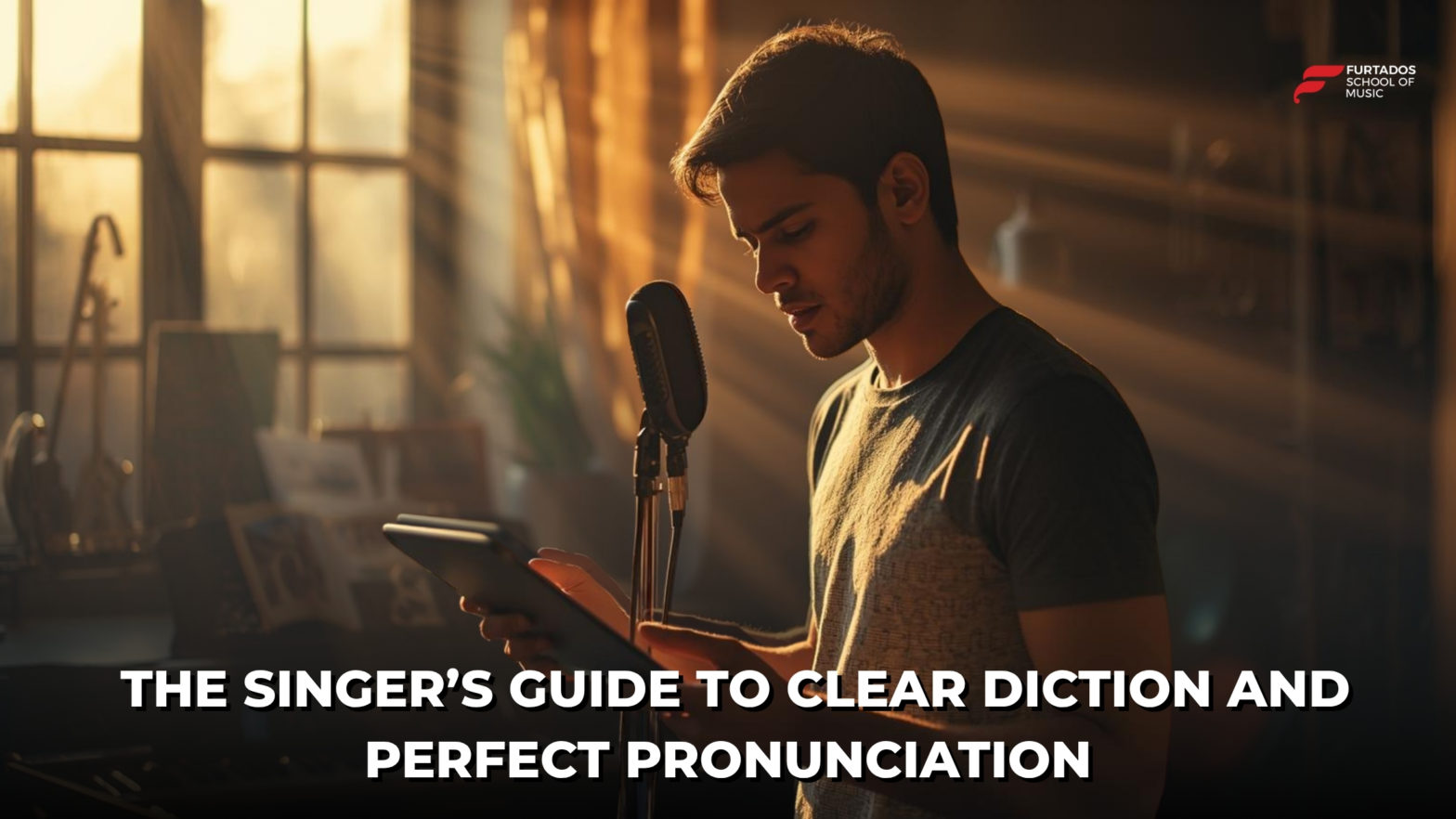
Clarity is one of the most important qualities of a great singer. No matter how powerful your voice is, if the audience cannot understand your words, the performance loses impact. This is where diction and pronunciation come into play. A singer who pays attention to these aspects not only improves vocal delivery but also connects with listeners on a deeper level. Let’s explore practical ways to achieve clearer singing.
Why Diction Matters in Singing
Think of diction as the bridge between your voice and your audience. It shapes how every word is delivered, ensuring the emotion and meaning behind the song come through. Good diction prevents mumbling, strengthens expression, and makes your performance sound professional.
Many singers often focus solely on pitch and rhythm, but neglecting diction can leave a song feeling incomplete. By incorporating regular practice into your routine, you can gradually refine your articulation.
1. Start With the Basics:
Tips to Improve Diction Pronunciation for Singers
If you’re wondering where to begin, here are some foundational tips to improve diction pronunciation for singers:
- Record yourself singing. This helps identify unclear words and areas where articulation fades.
- Sing slowly at first. Slowing down allows you to exaggerate sounds, making each syllable sharper.
- Emphasize consonants. Strong consonant sounds give structure and definition to lyrics.
These simple yet effective steps can dramatically sharpen your vocal clarity when practiced consistently.
2. Strengthen Your Voice With Practice Common Vowel Sounds
Vowels form the heart of vocal tone and resonance. Without clear vowels, even the best melodies can sound muddled. That’s why singers should regularly practice common vowel sounds such as A, E, I, O, U.
Here’s how to do it:
- Sustain each vowel on a comfortable pitch and gradually move up the scale.
- Focus on maintaining the same mouth shape and tone consistency.
- Alternate between soft and strong dynamics to control breath and sound quality.
When you practice common vowel sounds daily, you build flexibility and control in your voice. This not only improves diction but also enhances your ability to express different emotions in a song.
3. Playful Exercises: Use Tongue Twisters for Diction
One of the most fun and effective tools for improving clarity is working with tongue twisters for diction. These tricky phrases challenge your tongue, lips, and jaw muscles, training them for agility and precision.
Examples include:
- “Red lorry, yellow lorry”
- “She sells seashells by the seashore”
- “Unique New York”
Start slowly to get the words right, then gradually increase your speed while keeping every syllable crisp. Practicing tongue twisters for diction not only makes articulation sharper but also prepares you for fast-paced lyrics in real songs.
4. Connect Technique With Expression
Improving diction doesn’t mean sounding robotic or overly precise. Instead, it’s about finding the perfect balance between clarity and natural flow. Once you’ve mastered exercises like vowel practice and tongue twisters, the key is to integrate these techniques into emotional singing.
For instance, when performing a ballad, you can emphasize soft vowel tones to highlight tenderness. For energetic songs, sharp consonants can bring excitement and punch to the lyrics.
5. Make It a Habit
Consistency is the secret ingredient. Diction exercises are most effective when they become a natural part of your warm-up routine. Just 10–15 minutes daily can make a noticeable difference in your vocal delivery within weeks.
Whether you’re preparing for a stage performance, recording session, or just singing at home, practicing clear diction ensures your voice resonates with power and meaning.
Final Note
Mastering diction and pronunciation is not about perfection—it’s about connection. When your words are crisp and expressive, your audience feels the emotion behind every lyric. Start with small steps: use these tips to improve diction pronunciation for singers, regularly practice common vowel sounds, and challenge yourself with tongue twisters for diction. Over time, your singing will not only sound more polished but will also carry the emotional weight that makes performances unforgettable.