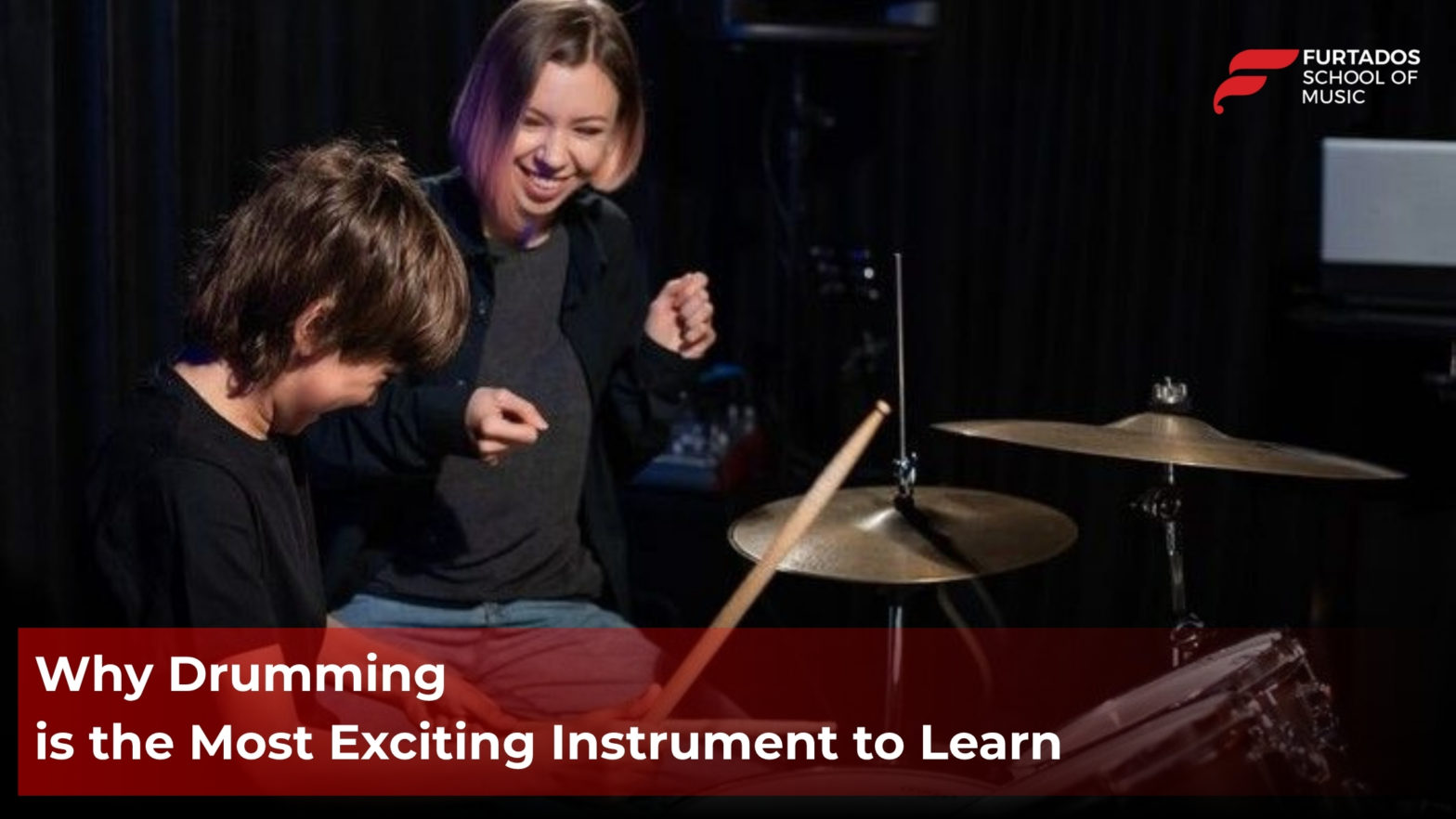
Have you ever wondered why children instinctively tap their fingers on tables, drum on their school desks, or create rhythms with anything they can get their hands on?
The answer is simple: rhythm comes naturally to us.
Long before children learn to play melodies, they respond to beats. That’s one of the reasons drumming is often considered one of the most exciting and engaging instruments to learn. Whether your child is bursting with energy, loves music, or simply enjoys trying new activities, drumming offers a unique combination of creativity, discipline, and fun.
For parents searching for drum classes near me, understanding the benefits of drumming can help determine whether it’s the right musical path for their child.
Drumming Makes Music Feel Accessible
One of the biggest advantages of learning drums is that students can start creating recognizable rhythms almost immediately.
Unlike some instruments that require weeks of practice before students feel confident, drums provide a sense of accomplishment from the very first lesson. Even beginners can learn simple beats and grooves that sound musical and exciting.
This early success helps children stay motivated and excited about learning. It’s one of the reasons many parents choose drum lessons for beginners when introducing their children to music education.
A Perfect Instrument for Active Children
Not every child enjoys sitting quietly for long periods.
Some children learn best when they can move, engage physically, and actively participate in the learning process. Drumming provides exactly that experience.
Playing drums involves coordination between the hands, feet, eyes, and ears. Students stay physically engaged while developing important musical skills.
For energetic children, drum lessons often feel less like a class and more like an exciting creative activity.
Building Confidence One Beat at a Time
Learning an instrument is about much more than music.
Every new rhythm mastered, every song completed, and every performance achieved helps build self-confidence. Children experience the satisfaction of overcoming challenges and seeing measurable progress through practice.
Drumming also encourages self-expression. Students learn to create their own rhythms, experiment with different styles, and develop a personal connection with music.
These experiences can have a positive impact beyond music, helping children become more confident in school, social situations, and other extracurricular activities.
Improving Focus and Concentration
At first glance, drums may look like pure fun and they are , but they also require significant mental focus.
Drummers must listen carefully, maintain timing, coordinate multiple movements, and stay aware of musical patterns. This combination of physical and mental engagement helps strengthen concentration and attention skills.
Many parents are surprised to discover that regular drum practice can encourage patience, discipline, and consistency while still feeling enjoyable for their children.
Learning Rhythm Creates Strong Musical Foundations
Rhythm is at the heart of every style of music.
Whether a student eventually wants to play guitar, piano, violin, or sing, a strong sense of rhythm provides an excellent foundation. Understanding timing and musical structure helps students become better musicians overall.
This is why many music educators consider drumming one of the most valuable instruments for developing overall musicality.
Students who start with drums often find it easier to understand and connect with other musical concepts later on.
Drums Open the Door to Many Music Genres
One reason drumming never becomes boring is its versatility.
From rock and pop to jazz, blues, funk, metal, and contemporary music, drums play an essential role in almost every genre. Students can explore a wide range of musical styles and discover what excites them most.
This variety keeps lessons fresh and engaging while encouraging creativity and curiosity.
Whether your child dreams of joining a band, performing on stage, or simply enjoying music as a hobby, drumming offers countless opportunities for growth.
Flexible Learning Options for Modern Students
Today’s students have more learning opportunities than ever before.
While many families prefer in-person instruction and often search for drum classes near me, others appreciate the flexibility of virtual learning. With advances in music education technology, students can now learn drums online from experienced instructors while receiving structured guidance and feedback.
This flexibility makes it easier for families to incorporate music education into busy schedules without compromising the quality of learning.
Why Choosing the Right Drum Program Matters
While enthusiasm is important, the right learning environment plays a major role in a student’s progress.
A structured program helps students build strong fundamentals, develop proper technique, and stay motivated as they advance. Professional guidance ensures that students learn rhythm, coordination, and musical expression in a way that is both enjoyable and effective.
For parents exploring drum lessons for beginners, choosing a program that balances creativity, technique, and performance opportunities can make a significant difference in a child’s learning journey.
Learning Drums at Furtados School of Music
At Furtados School of Music (FSM), students are introduced to drumming through structured, engaging lessons designed to nurture both skill and confidence.
With experienced instructors, age-appropriate learning pathways, and opportunities to perform, students develop a strong understanding of rhythm while enjoying the excitement that comes with learning a dynamic instrument.
Whether families are looking for drum classes near me or exploring ways to learn drums online, FSM offers learning experiences that help students progress at their own pace while developing a lifelong appreciation for music.
Final Thoughts
Few instruments combine energy, creativity, and personal expression quite like the drums.
They help children build confidence, improve coordination, strengthen focus, and develop a deep connection with music ; all while having fun.
If your child is naturally drawn to rhythm, enjoys active learning, or is looking for an exciting introduction to music, drumming could be the perfect place to begin.
Frequently Asked Questions
1. What is the best age to start drum lessons?
Most children can begin drum lessons for beginners between the ages of 5 and 7, depending on their interest, coordination, and ability to follow instructions.
2. Can my child learn drums online effectively?
Yes. Many students successfully learn drums online through structured lessons, interactive instruction, and regular feedback from experienced teachers.
3. How do I choose the right drum classes for my child?
Look for qualified instructors, a structured curriculum, performance opportunities, and a learning environment that keeps students motivated and engaged. Many parents begin by searching for drum classes near me to find programs that suit their child’s needs.