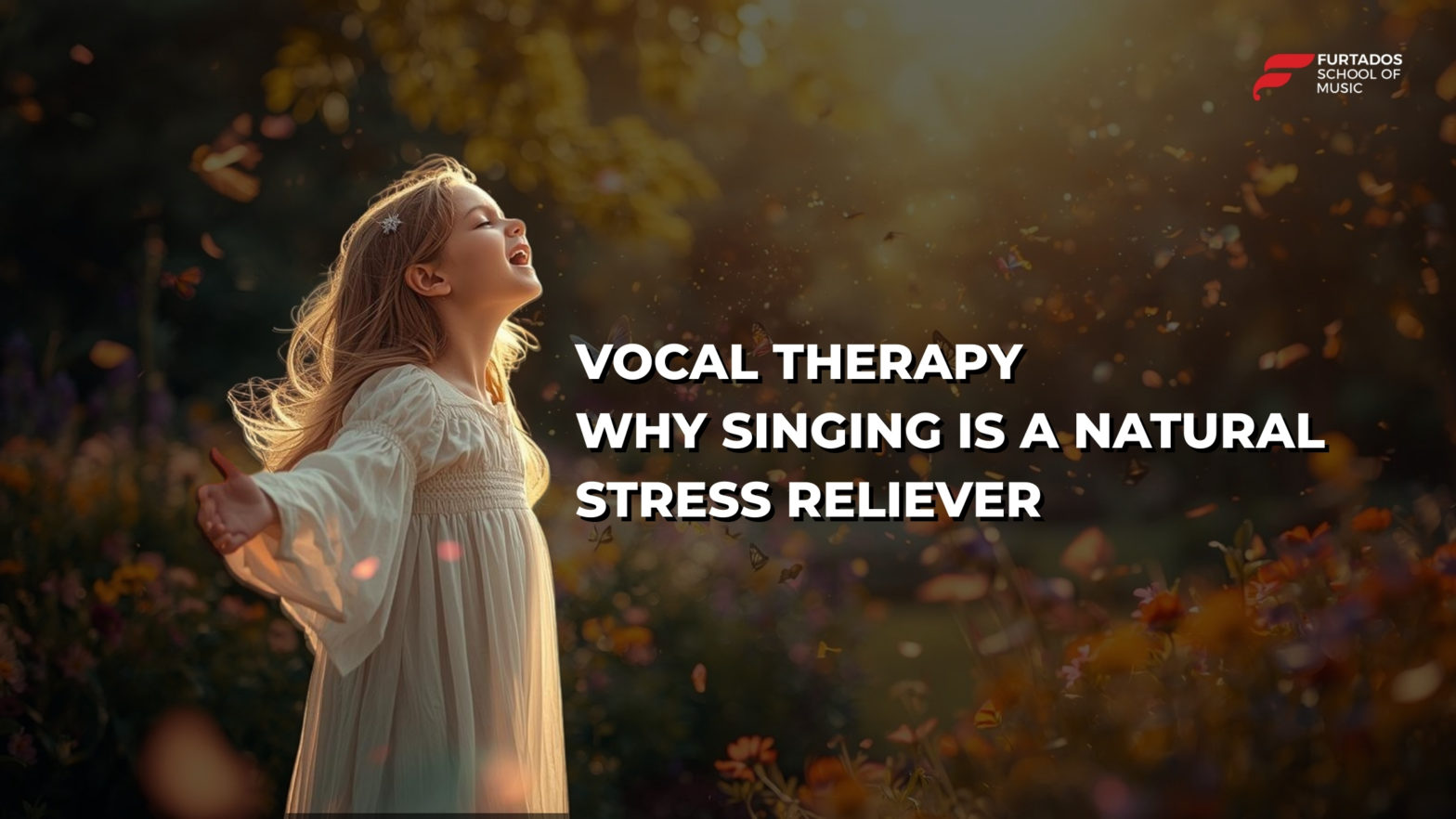
In a world filled with deadlines, emotional burnout, and constant noise, finding a natural way to relieve stress is a gift. Beyond yoga, meditation, or talk therapy, there’s a profoundly simple practice that often goes overlooked—singing. Think of it as vocal therapy: a gentle, body-led way to calm the nervous system, release tension, and reconnect with your breath and emotions.
More than just a musical art form, singing is increasingly recognized as a powerful tool to heal the mind and body. Whether you’re a trained vocalist or someone who hums casually while doing chores, your voice holds the key to emotional release and physical well-being. Let’s explore the benefits of singing, the science behind its calming effect, and how it can become a part of your personal healing journey.
Singing as Therapy: More Than Just a Melody
At its core, singing is a full-body activity. It engages your lungs, your diaphragm, your vocal cords, your brain—and, most importantly, your heart. Singing stimulates deep breathing, releases endorphins, and calms the nervous system. No wonder it’s considered a natural antidepressant.
Multiple studies now support what artists have intuitively known for centuries: the stress relief through singing is real. Whether you’re performing on stage, practicing alone, or singing along to your favorite song in the shower, you’re tapping into one of the most therapeutic and accessible forms of expression.
The Science Behind the Sound: Breathing, Rhythm, and Brainwaves
Singing slows your breathing rate and promotes regulated diaphragmatic breathing—a core technique used in meditation and mindfulness. This stimulates the vagus nerve, which plays a critical role in regulating anxiety and emotional balance.
Additionally, the health benefits of humming are equally fascinating. Humming creates gentle vibrations in the nasal cavity and chest, which increases nitric oxide production—a natural immune booster. It also supports better oxygen exchange in the brain and lungs, resulting in improved focus, reduced anxiety, and enhanced relaxation.
Even 5 minutes of humming or singing can shift your mood, improve heart rate variability, and promote a sense of calm—especially beneficial for those battling stress, PTSD, or depression.
Emotional Release and Connection
One of the greatest benefits of singing is emotional release. Have you ever found yourself crying while singing a song that resonates with your story? That’s vocal therapy in action. Singing bypasses the logical brain and touches something much deeper—your emotional core.
In many therapy models, singing is used to reconnect individuals with suppressed emotions, rebuild self-confidence, and reduce feelings of isolation. Group singing, for instance, triggers the release of oxytocin—the bonding hormone—helping people feel more connected and supported.
Singing as a Mindful Practice
Unlike silent meditation, singing gives your mind a focus point—melody, lyrics, breath. It’s a moving meditation. The repetition of sound, rhythm, and intention can ground your thoughts and shift your awareness from stress to the present moment.
For individuals who struggle to sit still or meditate silently, singing or humming provides a rhythmic, engaging, and equally healing alternative. It becomes a daily anchor—something to return to whenever stress creeps in.
Everyone Can Sing—Healing Has No Prerequisites
You don’t need to be trained or have a perfect voice. Your vocal cords aren’t just for performance—they’re built for communication, self-soothing, and joy. Platforms like Artium Academy emphasize this holistic approach to music learning. Their vocal therapy programs aren’t just about mastering pitch—they’re about discovering the therapeutic power of your voice.
Whether you’re dealing with anxiety, grief, burnout, or emotional fatigue, singing is a low-cost, zero-side-effect solution you can practice anytime, anywhere.
Conclusion: Find Your Healing Note
In today’s overstimulated world, your voice can be your anchor. The stress relief through singing, the health benefits of humming, and the overall benefits of singing go beyond just artistic expression—they touch your health, your mind, and your spirit.
So the next time you feel overwhelmed, hum a melody. Sing a song that lifts you. Chant your favorite lyrics out loud. Let your voice rise—not for perfection, but for healing.
Because when words fail, music speaks—and sometimes, it heals too.