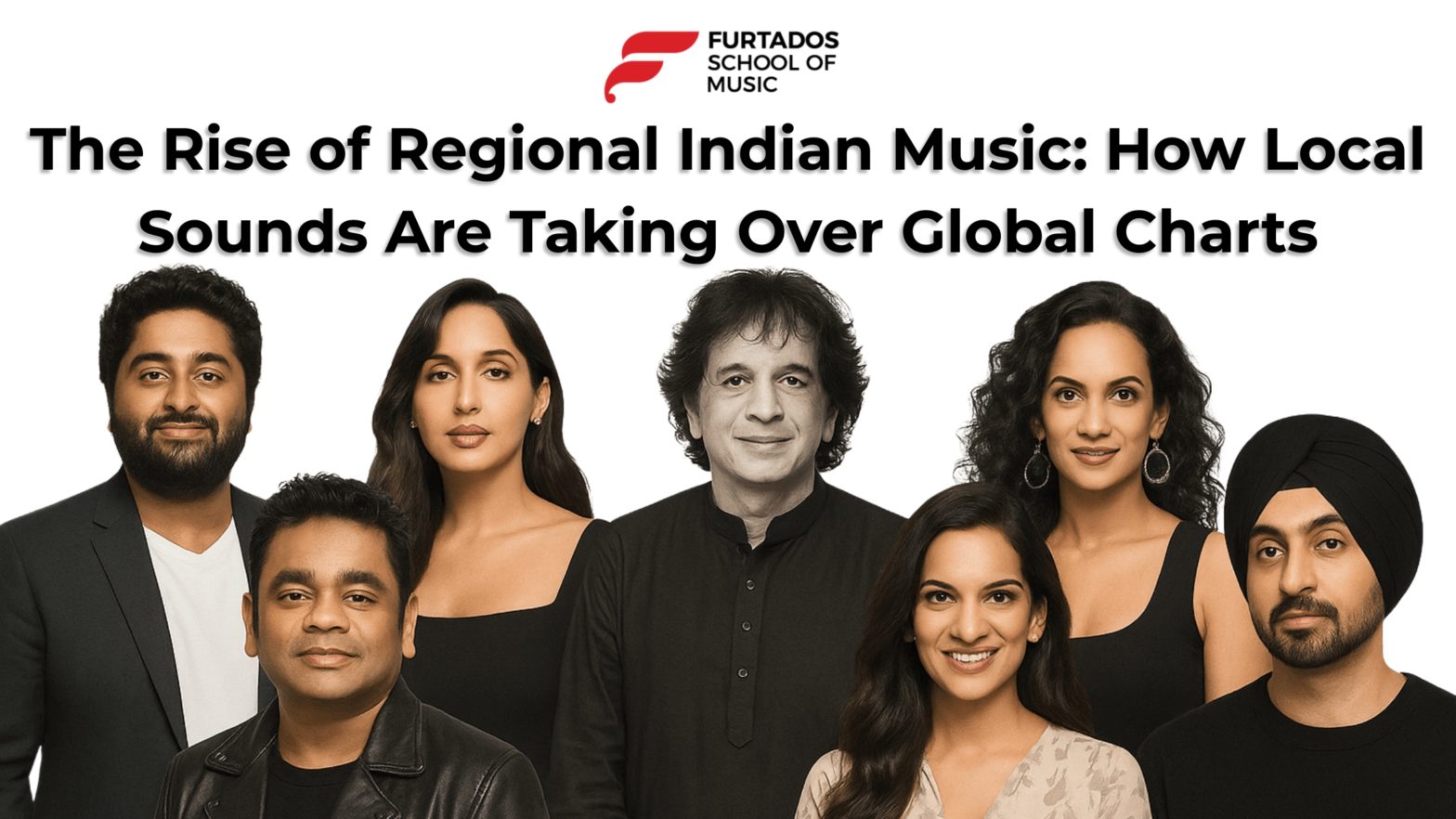
Indian music has always been a kaleidoscope of languages, instruments, and traditions. But in recent years, something remarkable has happened — regional Indian music has moved from the corners of local radio stations to the center of global music charts. From Tamil and Telugu hits to Punjabi pop and Marathi rap, these sounds are redefining what it means to be part of the Indian music scene in a globalized world.
Why Regional Music is Booming
The rise of streaming platforms like Spotify, YouTube, and Apple Music has made it easier for local artists to reach global audiences. Listeners are no longer limited by language barriers — they connect through rhythm, melody, and mood. Whether it’s a Telugu track trending in Canada or a Punjabi song topping UK charts, regional music is speaking a universal language of emotion and energy.
A Celebration of Authenticity
Audiences today crave something real. Regional artists often weave in local dialects, folk tunes, and cultural expressions that feel rooted and honest. These songs carry the flavour of everyday life — love stories, festivals, nostalgia, and even social struggles — all told through a uniquely regional lens.
This authenticity is what makes global listeners fall in love with them. Music has once again become a bridge between cultures, proving that even the most local sound can have worldwide resonance.
Regional Hits Making Global Waves
Here are a few examples of how Indian regional music has made its mark across the world:
- “Enjoy Enjaami” – Dhee & Arivu (Tamil)
A soulful mix of folk, rap, and pop, this song became a viral sensation for its earthy beats and social message. It not only topped Indian charts but also made its way into international playlists. - “Butta Bomma” – Armaan Malik (Telugu)
With its catchy rhythm and dance moves, this track from Ala Vaikunthapurramuloo became a global hit, even earning love from celebrities like David Warner and Allu Arjun fans abroad. - “Pasoori” – Ali Sethi & Shae Gill (Punjabi/Urdu)
Though originating from Pakistan, Pasoori resonated across South Asia, including India. Its fusion of traditional melody and modern beats made it one of the most streamed South Asian songs globally. - “Arabic Kuthu” – Thalapathy Vijay & Pooja Hegde (Tamil)
A perfect example of cultural crossover, this track brought Arabic-inspired sounds into Tamil pop, becoming a festival anthem worldwide. - “Jhumka” – OAFF & Savera (Hindi with Rajasthani influences)
A refreshing indie track blending traditional and contemporary sounds, Jhumka represents how younger composers are experimenting with regional influences.
The Role of Technology and Collaboration
Technology has flattened boundaries. Today, artists from small towns are producing high-quality tracks from home studios, often collaborating online with producers across the world. Labels and independent artists are equally contributing to this growth — sharing, remixing, and celebrating the diversity of Indian sounds.
Collaborations between Bollywood artists and regional musicians are also redefining the Indian pop landscape. It’s no longer about Hindi versus regional — it’s about music that feels authentic, diverse, and limitless.
The Future Sounds Local
The future of Indian music is beautifully multilingual. As more creators blend folk roots with modern genres like EDM, R&B, and hip-hop, regional Indian music will continue to find new audiences. It’s a reminder that India’s cultural diversity isn’t just a treasure for the country — it’s a gift to the world.
What started as local rhythm is now a global anthem, proving that no matter the language, great music always finds its way to the heart.