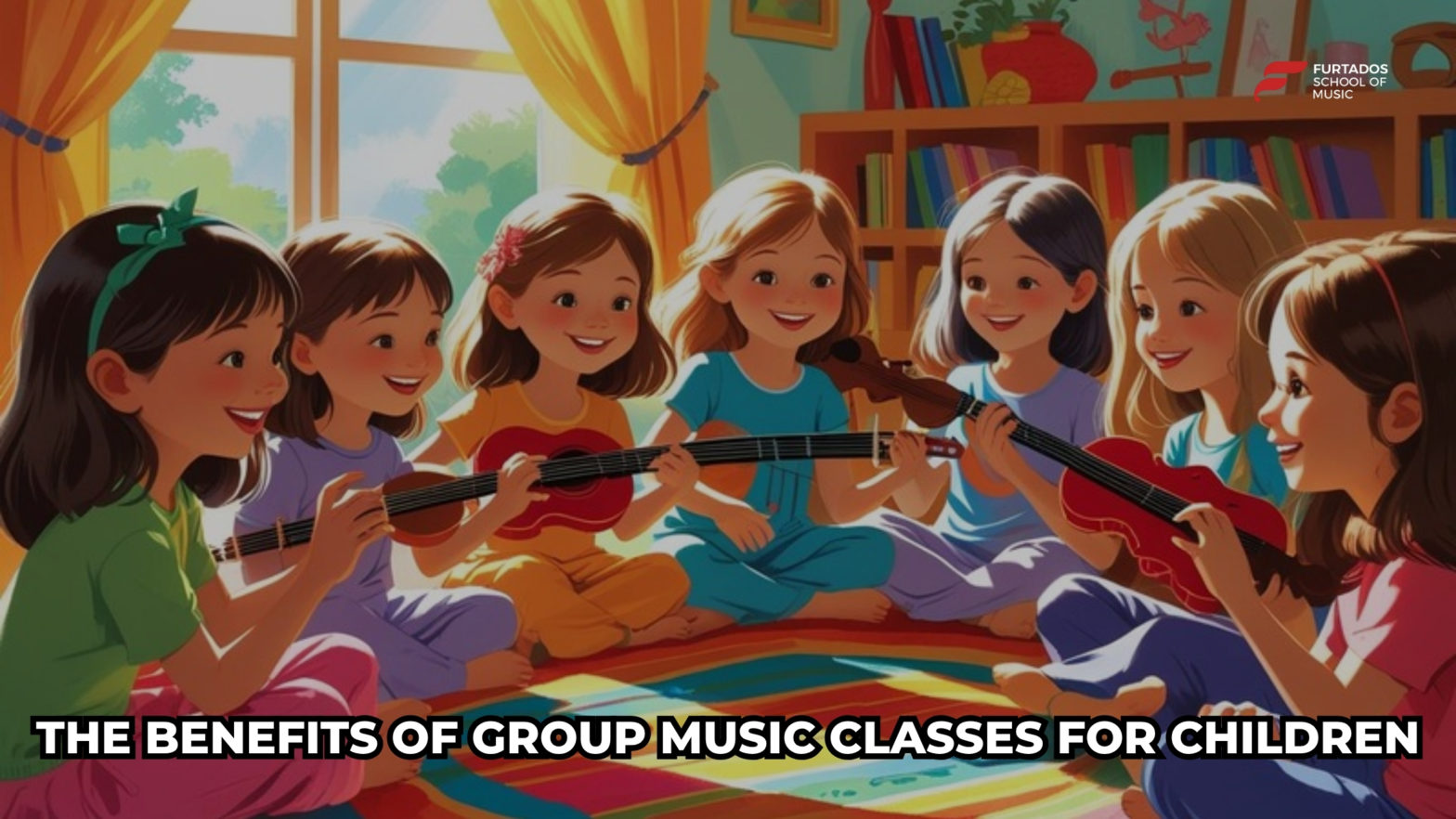
In today’s fast-paced digital world, where children often spend more time in front of screens than with peers, group music learning offers a beautiful and constructive alternative. For parents looking to balance academic performance with emotional development, music education—especially in a group setting—can play a transformative role in a child’s upbringing. Beyond the obvious musical skills, the social benefits of group music classes are powerful, long-lasting, and supported by science.
What Are Group Music Classes?
Group music classes are structured learning sessions where multiple students learn music together—be it vocal training, instrument-based lessons like piano or guitar, or even rhythm and movement sessions. These classes are often led by one instructor and are designed to foster collaboration, interaction, and shared learning experiences among students.
Whether your child is learning Western classical piano or participating in a Carnatic vocal class, the group format brings unique advantages that go far beyond the instrument.
Social Confidence and Teamwork
One of the biggest social benefits of music classes is the natural development of teamwork and confidence.
When children practice and perform in groups, they learn how to coordinate, listen to others, and adjust to a shared tempo or harmony. This creates a sense of cooperation and belonging, and builds the ability to work as part of a team—a vital skill in any walk of life.
A 2023 study published by the National Association for Music Education found that children who participated in group music learning had higher levels of empathy, cooperation, and emotional intelligence than those who only studied solo.
Cognitive Growth and Attention Span
Music stimulates both the creative and analytical parts of the brain. In group classes, this stimulation is often doubled. Why?
- Children have to pay attention not only to their own performance but also to what their peers are doing.
- They need to synchronize their actions, listen closely, and make real-time decisions—whether it’s matching pitch, rhythm, or dynamics.
This constant brain engagement improves attention span, multi-tasking ability, and memory retention. These are important building blocks for academic success as well
Improved Emotional Well-being
Group music classes often lead to reduced anxiety and improved mood, especially among children who might be shy or introverted.
Being part of a group gives children the confidence to express themselves in a safe, non-judgmental space. The shared joy of making music together leads to positive emotional bonding, and even the rehearsals and small performances give a child a sense of achievement and validation.
Many music academies today also include short informal recitals or group presentations, giving every student a moment to shine—without the pressure of solo performance.
Communication Skills and Leadership
In a group setting, children naturally develop better verbal and non-verbal communication skills. They learn:
- When to lead and when to follow
- How to take turns and give space
- How to express ideas and take constructive feedback
Over time, this builds a child’s confidence in communication, making them better speakers, presenters, and group participants—not just in music, but in school and life.
In fact, many parents have reported that their children become more vocal and expressive in everyday conversations after just a few months of group music learning.
Exposure to Diversity and Broader Musical Taste
Group music classes often bring together students from different backgrounds, regions, or even cultures. This exposure:
- Enhances a child’s appreciation for diversity
- Opens their ears to various musical styles and traditions
- Teaches them that there’s more than one “correct” way to create or enjoy music
This variety fosters open-mindedness, creative thinking, and a broader perspective—both musically and socially.
A Sense of Belonging and Community
Especially in long-term programs, children form deep friendships and connections within their musical groups. This sense of community is vital in the developmental years. It gives children:
- A safe space to express themselves
- A chance to grow together and celebrate milestones
- Encouragement not just from teachers, but from peers
Whether it’s cheering each other on during a performance or laughing over a missed note, the social benefits of music classes help form bonds that go beyond the classroom.
Final Note: Why Every Child Should Try Group Music Learning
If you’re a parent considering music lessons for your child, don’t overlook the magic of group learning. While individual attention is valuable, group music learning opens doors to social, emotional, and cognitive benefits that solo practice simply can’t offer.
Your child won’t just learn an instrument—they’ll build friendships, gain confidence, and develop lifelong skills that will serve them in school, relationships, and the workplace.
At the end of the day, the harmony created in group music classes is not just musical—it’s human.