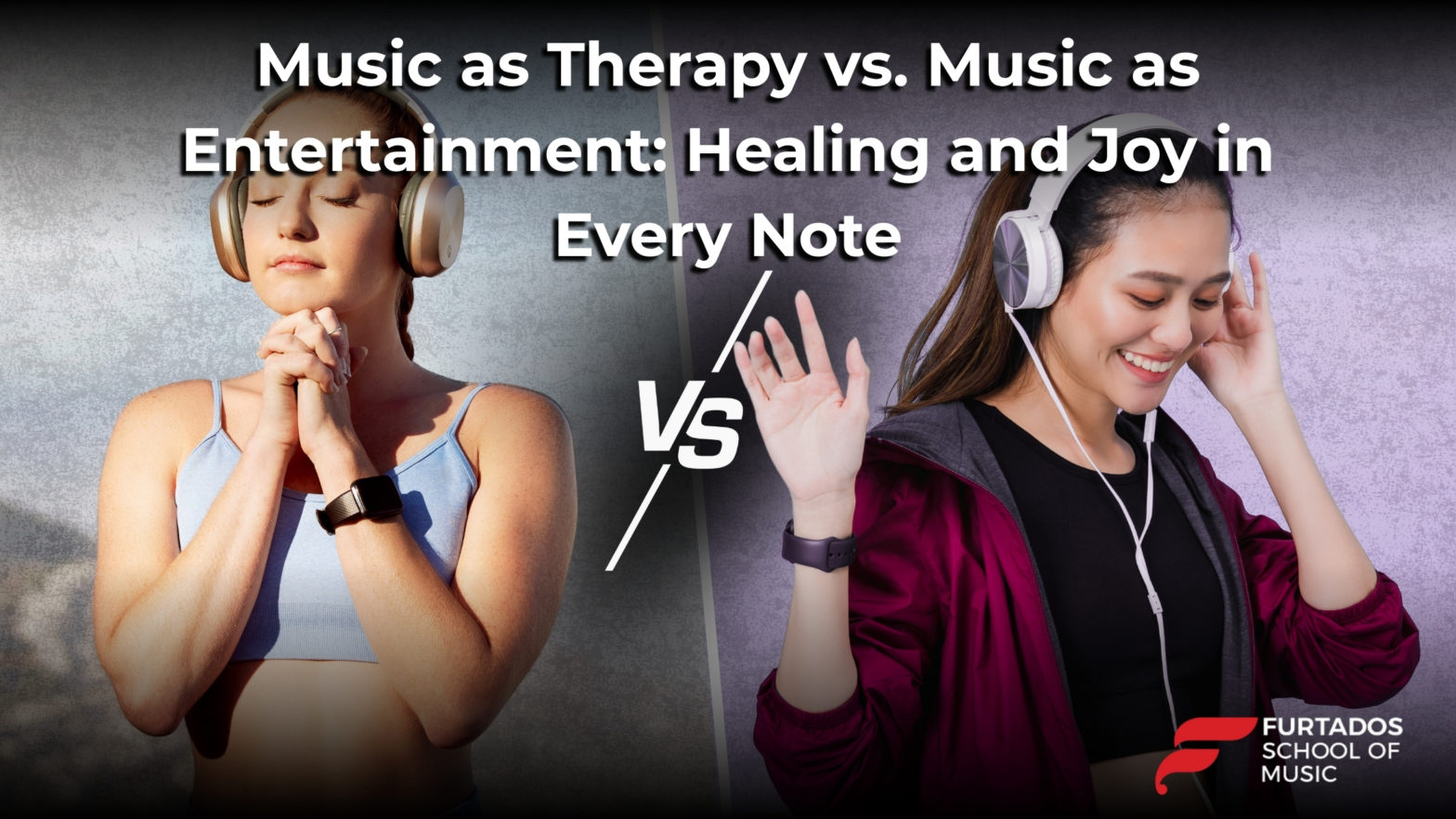
Music has a unique way of touching our lives. Sometimes, it heals us from within, and other times, it simply makes us dance, sing, and smile. This duality—Music as Therapy vs. Music as Entertainment—shows us how powerful music truly is. One helps us recover, while the other helps us celebrate.
Music as Therapy vs. Music as Entertainment
Healing with Harmony: The Power of Music Therapy
When we think of therapy, we usually imagine medicine or counseling. But music itself can be a tool for healing. Music therapy is a clinical, evidence-based practice led by trained professionals who use rhythm, melody, and sound to support physical, emotional, and mental health.
From reducing stress and anxiety to improving memory and motor skills, music therapy has been shown to make a real difference in people’s lives. Hospitals, schools, and rehabilitation centers across the world use it to support patients with conditions like depression, autism, or neurological challenges.
It’s music with intention—not just for enjoyment, but for measurable change.
Feel the Beat: Music as Entertainment
On the other side of the spectrum lies music as entertainment. This is where music sets the vibe—at a party, in a film, while studying, or even during a workout. It’s about energy, mood, and fun.
Entertainment through music often gives us instant emotional rewards. A happy song can lift our spirits, a soulful ballad can bring comfort, and energetic beats can make us push harder at the gym. The joy of live music takes this even further—being in a crowd, singing along, and feeling the pulse of sound creates memories that last a lifetime.
Where They Overlap
While they seem different, the two aren’t worlds apart. Music as entertainment often has therapeutic effects too—reducing stress or making us feel connected. Similarly, music therapy can be deeply enjoyable.
The difference lies in intention:
- Music therapy = structured, goal-oriented healing.
- Entertainment = mood, expression, and enjoyment.
Both are powerful. Both are necessary.
Why This Matters for Learners
As a student or music enthusiast, understanding these two roles of music can shape your own journey. Playing an instrument or singing isn’t just about performance—it can also be deeply personal and healing.
- Learning guitar might help you express emotions you can’t put into words.
- Singing could become a source of stress relief after a long day.
- Joining a band or playing live music could give you a sense of community and confidence.
That’s the beauty of music—it’s both therapy and entertainment at once, depending on how you engage with it.
Take the Next Step with FSM
At Furtados School of Music (FSM), we believe music is more than just notes—it’s a journey of healing, learning, and joy. Our expert teachers design courses that help students of all ages not only play an instrument or sing but also discover how music can uplift their daily lives.
Whether you want to explore the soothing side of music therapy or experience the thrill of entertainment through performance and live music, FSM offers structured guitar, piano, vocal, and ensemble classes to guide your path.
So why stop at listening? Join FSM, pick up an instrument, and let music shape your world—in every way possible.