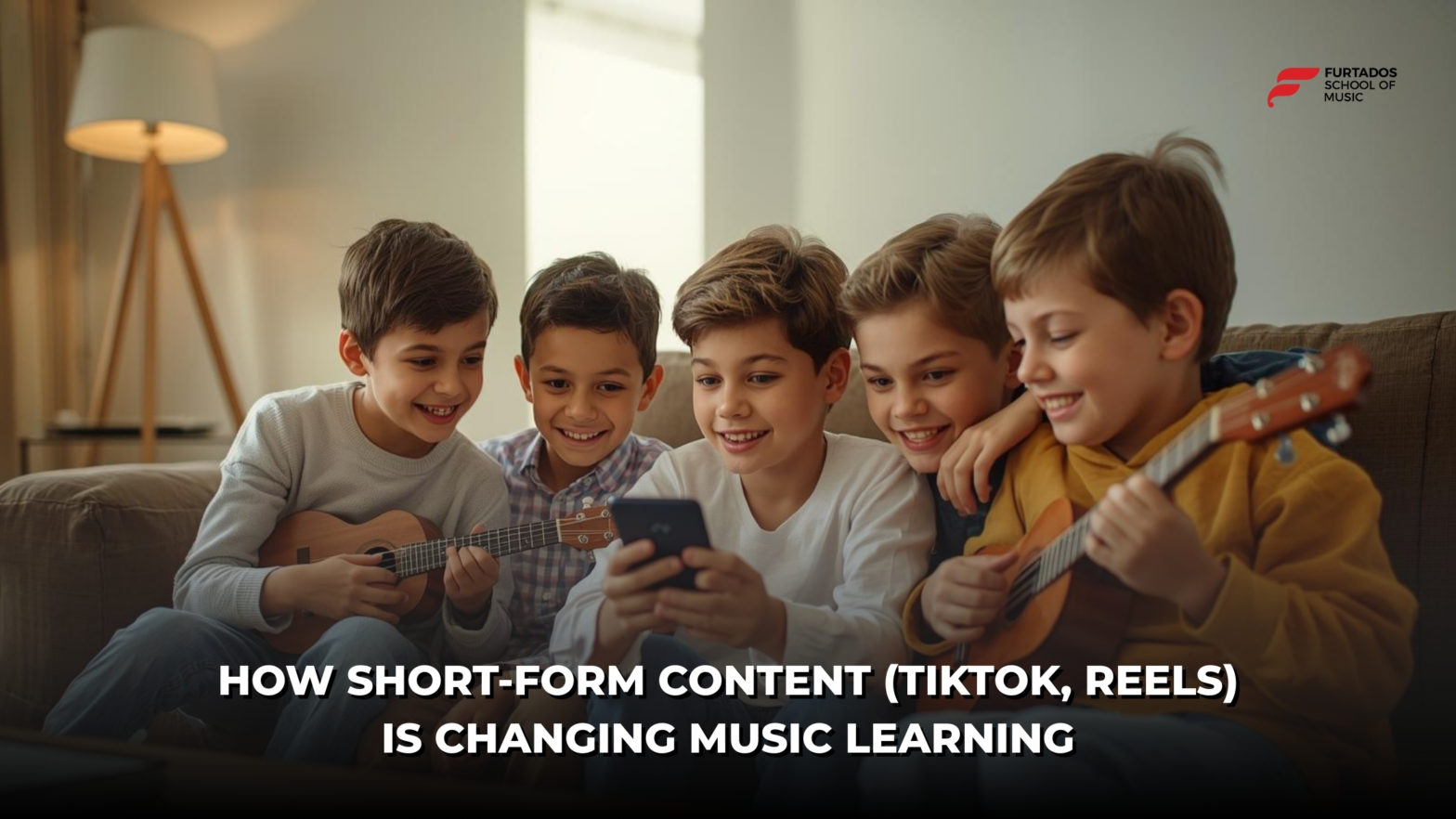
The music industry is evolving rapidly, and one of the most significant drivers of this change is the rise of short-form video content. Platforms like TikTok and Instagram Reels have revolutionized how we consume entertainment—and more importantly, how we learn. Today, short-form video music lessons are becoming a go-to method for aspiring musicians, vocalists, and producers around the world.
The Rise of Social Media in Music Education
Gone are the days when learning music was limited to traditional classrooms or lengthy tutorials. With the growing popularity of TikTok music learning, students now pick up vocal warm-ups, guitar riffs, rhythm drills, or music theory tips—all in under 60 seconds. The bite-sized, engaging nature of these videos fits perfectly into today’s fast-paced lifestyle, especially for younger audiences who prefer quick, digestible content.
Similarly, Instagram Reels music tutorials are offering learners a new way to engage with music. From singing challenges to remix breakdowns, creators are turning music education into something fun, viral, and highly visual. Reels often combine catchy visuals with step-by-step instructions, making it easier for students to follow and apply techniques in real time.
Why Short-Form Video Content Works for Music Learning
The success of short-form video music lessons lies in their micro-learning structure—breaking down complex skills into small, easy-to-understand chunks. This method is particularly effective for beginners who might find traditional approaches overwhelming or time-consuming.
Other advantages include:
- Repetition and retention: Short videos can be watched multiple times, helping students absorb techniques and melodies better.
- Accessibility: Free, high-quality content from creators and educators is just a scroll away.
- Instant feedback: Learners can engage directly with content creators, ask questions, and receive tips in real time.
In addition, the interactive and viral nature of short-form platforms means more people are actively participating in music—not just as listeners but as creators.
Fueling Growth in the Music Industry
The surge of TikTok music learning and Instagram Reels music tutorials is helping democratize music education. Anyone with a smartphone can now access quality content, showcase their skills, and gain recognition. Emerging artists are building careers straight from their living rooms, often going viral and even getting discovered by industry professionals—all thanks to short-form video content platforms.
This social-driven learning model is also creating more interest in formal training. After getting a taste of music through short videos, many learners look for structured programs to refine their skills—and this is where institutions like Furtados School of Music (FSM) step in.
FSM’s Role in Embracing Digital Trends
FSM has recognized the power of social media and is actively incorporating it into its music education strategy. Through dedicated courses and workshops, FSM encourages students to not only learn music but also understand how to use platforms like TikTok and Reels to showcase their talent.
Students are introduced to:
- Recording and editing music performance videos
- Building a personal brand on social media
- Creating engaging short-form tutorials
- Leveraging trends to increase visibility
By blending traditional music education with modern content creation, FSM is preparing students for a dynamic future where performance and digital presence go hand in hand.
Conclusion
There’s no doubt that short-form video music lessons are changing the way we learn music. Through platforms like TikTok and Instagram Reels, music education has become more accessible, engaging, and exciting than ever before. With institutions like FSM supporting this evolution, the future of music learning is not just in the classroom—it’s on your phone.