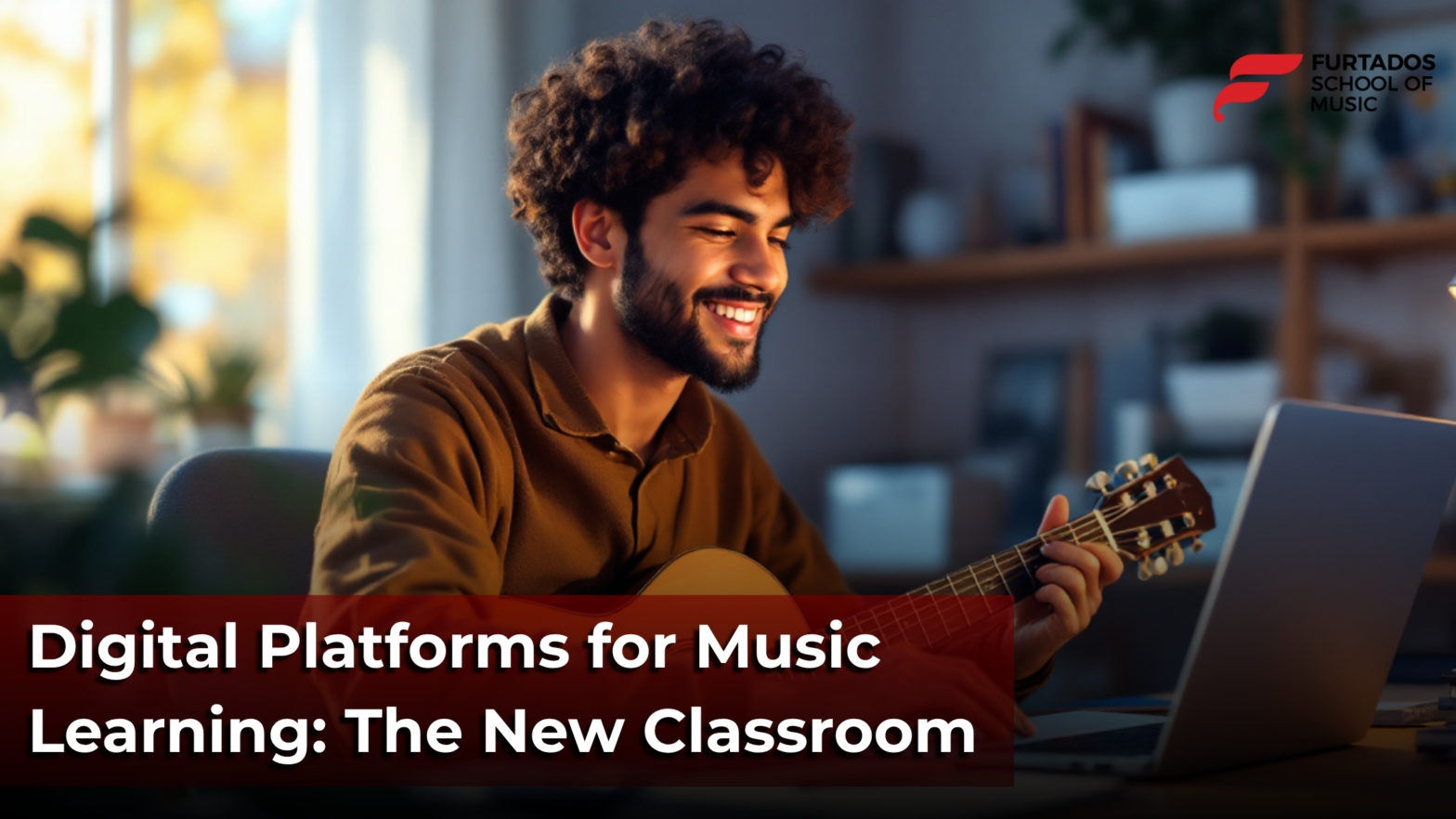
In a world where technology is redefining the way we live, work, and learn, music education is also undergoing a massive transformation. Traditional methods of learning music are now being complemented—and in some cases, replaced—by digital platforms for music learning. These platforms are opening up new possibilities for students, teachers, and music institutions alike, breaking geographical boundaries and enabling more personalized, accessible, and efficient learning experiences.
The Rise of Online Music Classes
Gone are the days when learning music meant commuting to a physical location, carrying heavy instruments, or depending on limited weekly sessions. Today, online music classes are becoming the norm for aspiring musicians across India and the world. Whether you’re in a small town or a metro city, all you need is a device and a stable internet connection to learn from top-notch instructors or attend masterclasses by global artists.
Platforms like YouTube, Zoom, and specialized services like FSM Buddy, Shankar Mahadevan Academy, and Berklee Online are revolutionizing how students access music lessons. These online music classes offer flexibility in scheduling, interactive tools for practice, and often come with recorded sessions for revision—making them ideal for students balancing school, college, or work alongside their musical journey.
Music Learning Apps: Education at Your Fingertips
In 2025, it’s not just about attending classes—it’s about integrating music into your daily digital lifestyle. Music learning apps are gaining popularity, especially among younger learners who are native to mobile devices. These apps offer gamified lessons, real-time feedback, and a structured curriculum that makes learning fun and less intimidating.
Apps like Yousician, Simply Piano, and Indian-made platforms like Riyaz and NaadSadhana allow learners to practice singing, keyboard, guitar, or even Indian classical music in a way that feels like playing a game. These music learning apps also use AI-based feedback to correct pitch, rhythm, and finger placement, giving learners immediate improvement suggestions—something that’s not always possible in traditional classrooms.
For schools and academies like Furtados School of Music, integrating app-based learning as part of their courses enhances student engagement and reinforces concepts taught during live sessions.
Digital Music Education: A New Standard
The shift towards digital music education is not just a temporary response to the pandemic—it’s the foundation of a long-term evolution in how we approach music training. Digital platforms now provide access to a wide range of resources: from sheet music and backing tracks to theory modules and virtual instruments. For students, this means unlimited exposure to genres, styles, and techniques. For teachers, it allows more interactive lesson planning and performance tracking.
What’s more, digital music education supports inclusivity and accessibility. Students with mobility issues, those in remote areas, or those who cannot afford to travel for lessons now have equal opportunities to learn and grow as musicians. This democratization of music learning is perhaps one of the most powerful outcomes of the digital era.
How FSM is Leading the Change
At Furtados School of Music (FSM), this digital revolution is being embraced with open arms. FSM has integrated online music classes and music learning apps into its curriculum to make learning accessible and engaging. With professional faculty, curated digital content, and tech-enabled learning tools, FSM ensures that each student gets a comprehensive and modern musical education.
FSM Buddy, the school’s exclusive online platform, allows students to take lessons in vocals, piano, guitar, drums, and more—from the comfort of their homes. The platform also provides performance opportunities, feedback assessments, and access to international syllabi, setting students up for global musical success.
Moreover, FSM’s hybrid model combines the best of in-person learning with digital music education, offering flexibility without compromising quality.
Final Notes: A World of Possibilities
As technology continues to shape the future, digital platforms for music learning are proving to be more than just a convenience—they’re becoming the new classroom. From real-time feedback and global access to flexible scheduling and affordable education, the benefits are hard to ignore.
Whether you’re a budding vocalist, a curious keyboardist, or a seasoned guitarist looking to sharpen your skills, now is the time to tap into the power of online music classes, explore intuitive music learning apps, and immerse yourself in the world of digital music education. Your stage is no longer limited to a room—it’s the entire internet.
So plug in, tune up, and press play—your music journey is just a click away.