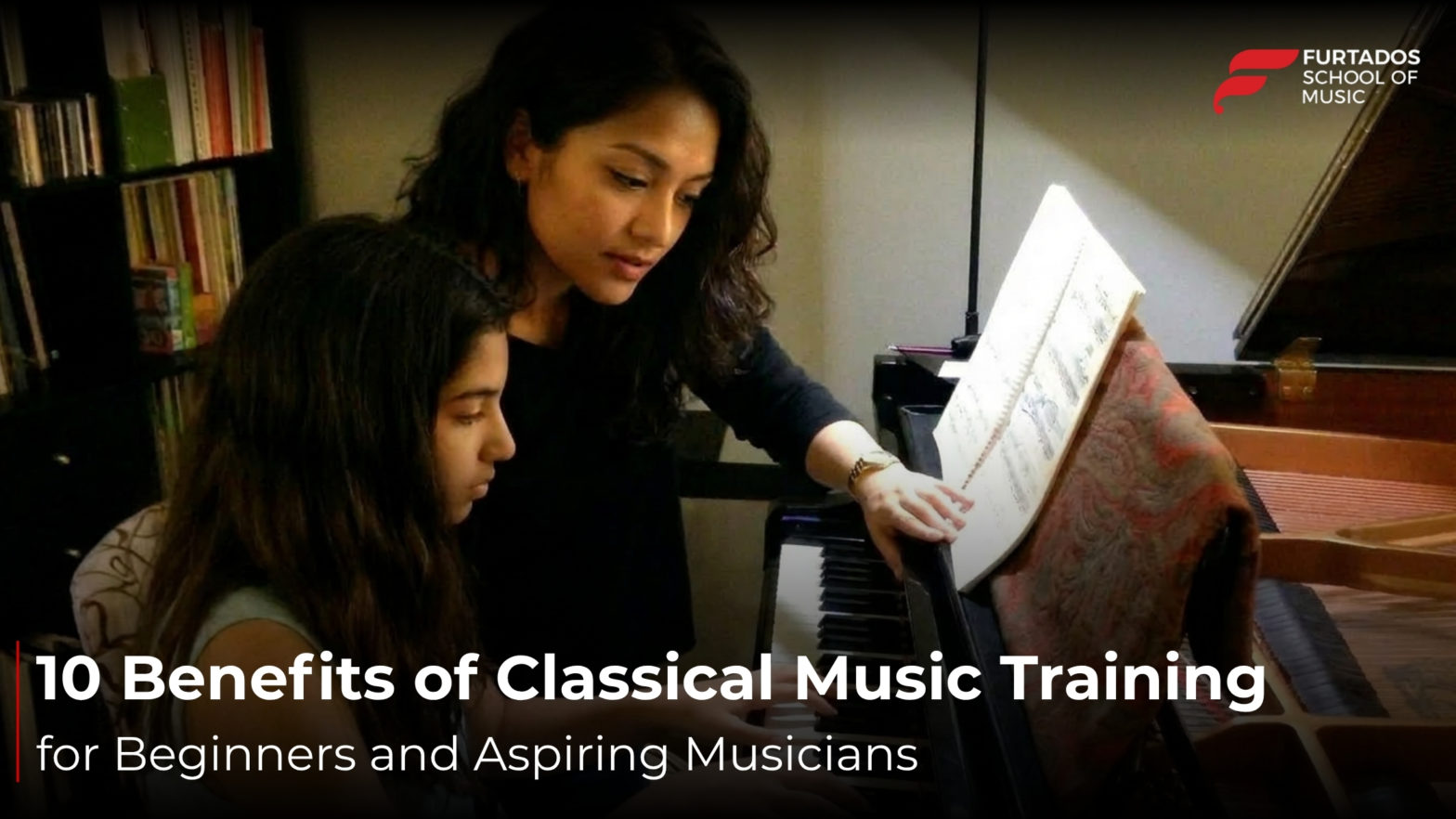
When parents search for Classical Music Classes Near Me, they are often looking for an activity that does more than simply teach an instrument. They want an experience that helps their child develop valuable skills, build confidence, and cultivate a lifelong appreciation for music.
Classical music training has been the foundation of music education for centuries, and for good reason. While musical tastes and trends continue to evolve, the principles taught through classical education remain as relevant as ever. From improving concentration and discipline to developing creativity and self-expression, classical training offers benefits that extend far beyond music itself.
Whether a student dreams of performing on stage or simply wants to explore music as a hobby, a strong classical foundation can provide lifelong advantages.
What Is Classical Music Training?
Classical music training is a structured approach to learning music that focuses on technique, musical understanding, ear training, rhythm, notation, and expression.
Unlike simply learning songs by memory, students develop a deeper understanding of how music works. This helps them become more confident, independent learners who can adapt to different instruments, styles, and musical challenges.
For beginners especially, classical training creates a strong foundation that supports long-term growth and enjoyment.
Why Every Music Student Can Benefit from Classical Training
One of the reasons classical music remains highly respected is its ability to teach universal musical skills.
Students learn how to read music, recognize patterns, understand rhythm, improve listening abilities, and express emotion through performance. These skills are valuable regardless of whether they eventually pursue classical music, contemporary genres, or simply enjoy music recreationally.
Let’s explore some of the most important Benefits of Classical Music Training.
1. Builds a Strong Musical Foundation
Every skill develops more effectively when built on strong fundamentals.
Classical music helps students understand melody, rhythm, harmony, dynamics, and musical structure. These concepts become the building blocks that support future musical learning and performance.
Students who begin with classical training often find it easier to progress as they advance.
2. Encourages Discipline and Consistency
Learning music requires regular practice and commitment.
Classical training teaches students that improvement comes through steady effort rather than instant results. Over time, they develop habits such as patience, perseverance, and time management that can benefit them in many areas of life.
3. Improves Concentration and Focus
Playing music requires sustained attention to multiple elements at once.
Students must focus on rhythm, pitch, technique, expression, and coordination simultaneously. This process helps strengthen concentration and encourages greater attention to detail.
For many parents, this is one of the most valuable outcomes of music education.
4. Develops Better Listening Skills
Listening is one of the most important aspects of becoming a musician.
Through Classical Music Lessons, students learn to identify differences in tone, pitch, timing, and dynamics. These listening skills help them become more accurate performers and more attentive learners overall.
5. Strengthens Music Theory Knowledge
Music theory helps students understand why music sounds the way it does.
Classical training introduces concepts such as scales, chords, rhythm patterns, notation, and harmony in a structured and accessible manner.
This knowledge makes it easier to learn new pieces and develop greater musical confidence.
6. Improves Technical Ability
Good technique forms the backbone of musical development.
Whether students are learning piano, guitar, violin, or vocals, classical training helps improve coordination, precision, posture, control, and overall performance skills.
Developing proper technique early often makes future learning more enjoyable and efficient.
7. Builds Confidence Through Achievement
Every piece mastered and every performance completed represents an accomplishment.
Music education provides students with opportunities to set goals, overcome challenges, and celebrate progress. These experiences contribute to stronger self-esteem and greater confidence both on and off the stage.
8. Encourages Creativity and Self-Expression
Contrary to popular belief, classical music is not simply about following rules.
Students learn how to interpret music, communicate emotions, and develop their own artistic voice. This balance between structure and creativity helps them become more expressive and confident musicians.
9. Makes Learning Other Genres Easier
Many professional musicians begin with classical training before exploring other styles.
Because they already understand musical fundamentals, students often find it easier to learn pop, jazz, rock, film music, and contemporary genres later on.
This versatility is one of the long-term Benefits of Classical Music Training.
10. Provides Lifelong Benefits Beyond Music
Perhaps the greatest advantage of classical music education is that its impact extends beyond musical achievement.
Students often develop:
- Stronger discipline
- Better focus
- Greater resilience
- Enhanced creativity
- Increased confidence
- Improved problem-solving skills
These qualities can support success in academics, careers, and personal growth throughout life.
Why Parents Continue to Choose Classical Music Education
Parents today are increasingly looking for activities that combine creativity with meaningful skill development.
Classical music offers a unique balance of artistic expression and structured learning. It encourages children to challenge themselves, develop perseverance, and discover the satisfaction that comes from consistent effort and achievement.
Most importantly, it nurtures a lifelong relationship with music ; something that can continue to bring joy, inspiration, and personal growth for years to come.
Looking for Classical Music Classes Near Me?
Finding the right music school can make a significant difference in a student’s learning experience.
At Furtados School of Music, we believe that music education should be engaging, structured, and inspiring. Our Classical Music Lessons are designed to help students build strong fundamentals while developing confidence, creativity, and a genuine love for music.
With experienced instructors, performance opportunities, and a progressive learning approach, we help students of all ages develop the skills needed to thrive in their musical journey.
Whether you’re exploring music for the first time or looking to strengthen your foundation, the right training can create benefits that last a lifetime.
Final Thoughts
The Benefits of Classical Music Training extend far beyond learning an instrument or preparing for a performance. From discipline and focus to confidence and creativity, classical education helps students develop skills that support both musical and personal growth.
For parents searching for Classical Music Classes Near Me, investing in a strong musical foundation can be one of the most rewarding decisions they make. The lessons learned through music often stay with students long after the final note has been played.