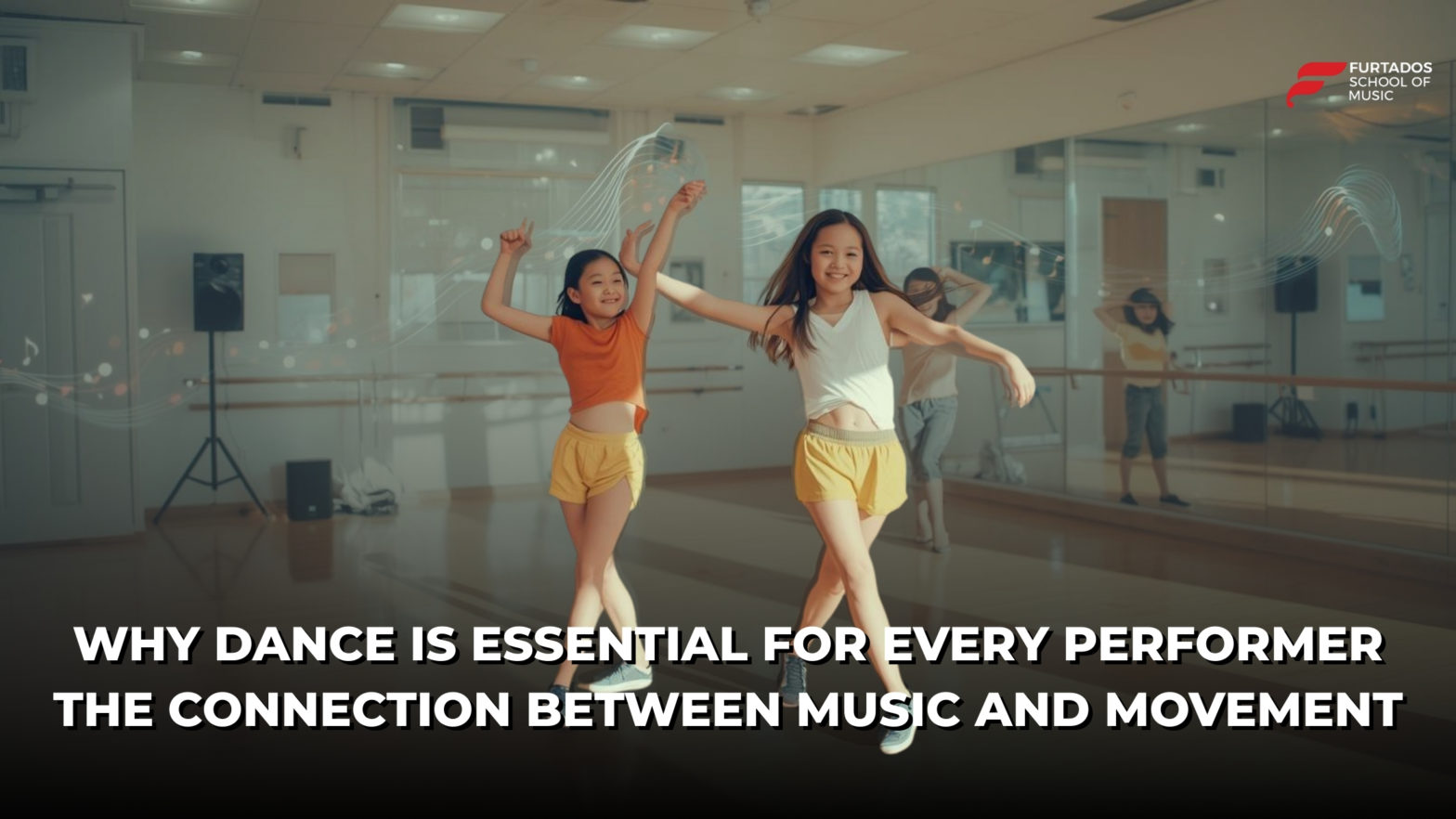
Dance has been an integral part of human expression for centuries, deeply intertwined with music. Whether you’re a singer, musician, or stage performer, dance plays a crucial role in enhancing stage presence, rhythm, and self-confidence. More than just an art form, dance helps individuals connect with their inner selves, making it a powerful tool for emotional healing and self-expression. In this blog, we’ll explore the importance of dance for performers, the connection between music and movement, and the benefits of dance in performance arts.
The Importance of Dance for Performers
Many people believe that dance is only for professional dancers, but in reality, it benefits all performers. Whether you’re a singer, an actor, or a musician, incorporating dance into your training enhances your overall performance skills.
- Improves Stage Presence – Movement on stage captivates the audience and adds energy to performances.
- Enhances Confidence – Dancing allows performers to express themselves freely, helping them overcome stage fear.
- Develops Better Rhythm – Understanding musical beats through movement makes it easier to stay on tempo while performing.
For students, dance is an essential skill that promotes self-expression, allowing them to feel the music and deliver emotionally engaging performances.
The Connection Between Music and Movement
Dance and music go hand in hand. Without music, dance lacks rhythm, and without movement, music loses its visual storytelling. The connection between music and movement is what makes performances truly powerful.
- Music Dictates Dance Movements – The beats, tempo, and mood of a song influence how a dancer moves.
- Expressing Emotion Through Dance – Just like lyrics convey emotions, dance adds a physical dimension to storytelling.
- Enhancing Musicality in Performers – Musicians who learn to dance develop a better understanding of musical timing, dynamics, and expressions.
This relationship is why music students are encouraged to incorporate dance into their learning journey. Moving to the rhythm helps them feel music at a deeper level, improving their performance skills.
The Benefits of Dance in Performance Arts
Beyond enhancing musical skills, dance has numerous advantages for overall well-being. The benefits of dance in performance arts go beyond the stage—it is a powerful form of healing and self-expression.
- Emotional Release & Healing – Dance allows performers to channel their emotions, making it a great way to relieve stress and anxiety.
- Physical & Mental Well-Being – It improves flexibility, posture, coordination, and mental focus, all of which contribute to a strong stage presence.
- Boosts Creativity – Dancing allows individuals to explore different movements, inspiring them to be more expressive in their performances.
Encouraging children and young performers to dance helps them develop discipline, self-confidence, and a strong sense of identity.
Why Students Must Dance and Let Their Hearts Out
For students, dance is not just about learning steps—it’s about embracing freedom and joy. Dancing allows them to:
- Express themselves beyond words.
- Overcome self-doubt and build confidence.
- Feel connected to the rhythm of life through movement.
Many parents now encourage their children to take up dance alongside music lessons because it enhances both physical and emotional well-being.
Furtados School of Music: The Perfect Place for Dance Education
At Furtados School of Music (FSM), dance is not just taught as an art form but as a way to help students build confidence, creativity, and performance skills